


In the Massachusetts housing market, not all renovations are created equal, and homeowners seeking a return on investment must prioritize upgrades that enhance both aesthetic appeal and functional value.
Smart renovations target areas of a property that are most influential to buyers, particularly kitchens, bathrooms, and open living spaces. Modern kitchens with durable countertops, energy-efficient appliances, and optimized layouts increase usability while creating a strong visual impact.
Bathroom renovations that include waterproofing, high-quality fixtures, and improved ventilation appeal to buyers concerned with comfort and maintenance. Energy efficiency has become a key selling point, with insulation improvements, LED lighting, and energy-efficient windows reducing utility costs while boosting marketability. Cosmetic updates such as fresh paint, neutral color palettes, and timeless finishes contribute to broader appeal, ensuring that the space feels inviting and move-in ready.
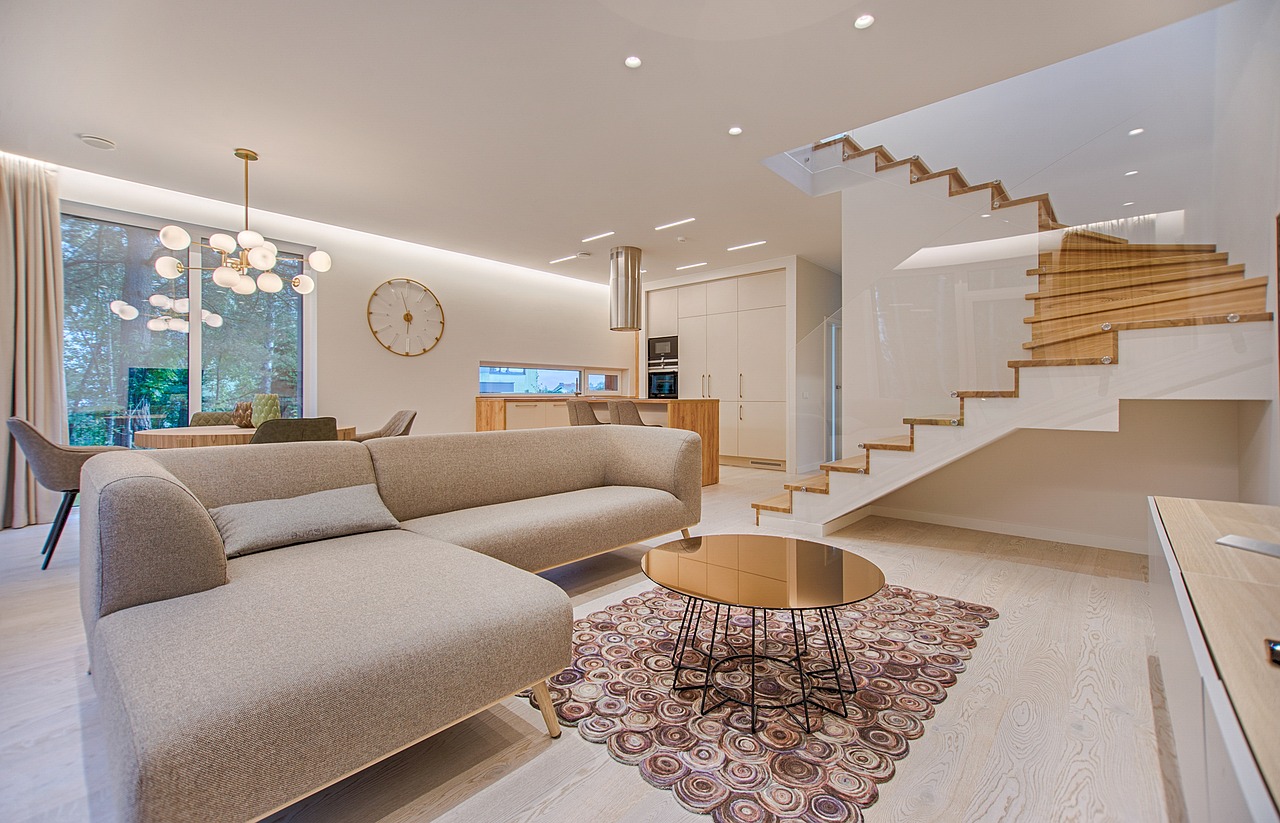
Strategic floorplan modifications, such as creating open-concept living areas or enhancing natural light flow, improve perceived space and functionality.
In Massachusetts, where the housing market is highly competitive, these renovations often translate into faster sales and higher listing prices, making them a smart financial decision rather than purely aesthetic improvements. Moreover, well-executed renovations signal to potential buyers that the property has been maintained to a high standard, further increasing confidence in the investment.
Homeowners should consider both the cost of renovations and the potential resale value gains, balancing upgrades to achieve maximum return. Ultimately, smart renovations align modern design principles with practical improvements, ensuring that each enhancement contributes to long-term value, energy efficiency, and marketability, positioning the home as an attractive option in a crowded real estate landscape.
Leave A Comment