


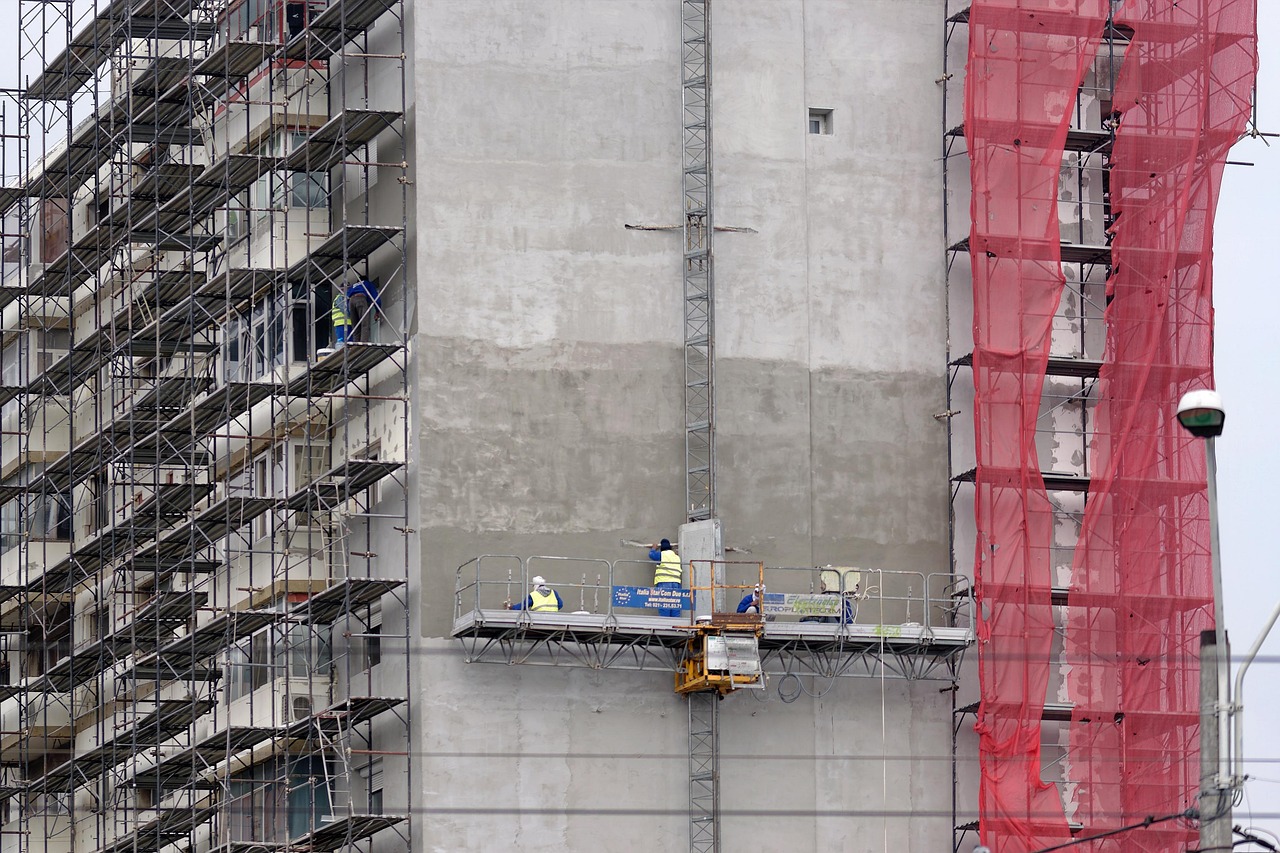
Apartment renovation in Massachusetts is an extensive process that demands strategic planning, technical expertise, and adherence to local regulations. The process typically begins with a thorough assessment of the property, where homeowners and professionals identify areas that require improvement, structural adjustments, or aesthetic upgrades.
Design planning is a critical first step, involving layout optimization, selection of materials, and coordination with licensed architects or interior designers to ensure functionality, style, and compliance with Massachusetts building codes. Once the plan is finalized, homeowners must secure the necessary permits from local authorities, a step that safeguards both the residents and the property by ensuring all proposed work adheres to safety standards.
Demolition may follow, where outdated elements, walls, or fixtures are carefully removed without compromising the structural integrity of the building. Structural improvements, if needed, are executed by certified professionals who evaluate load-bearing walls, floor reinforcements, and ceiling adjustments, making certain the apartment can safely accommodate modern layouts.
Subsequent phases often include upgrading electrical wiring, plumbing, and HVAC systems, which are essential not only for safety and code compliance but also for long-term efficiency and energy savings. Following these foundational improvements, work on insulation, drywall installation, flooring, and painting begins. Selecting durable and aesthetically pleasing finishes ensures that the apartment’s interior is both visually appealing and resilient to wear. Final inspections by local authorities confirm that all renovations comply with Massachusetts codes, including fire safety, energy efficiency, and structural standards.
Partnering with an experienced construction company ensures every stage of renovation—from planning to finishingis executed with precision, resulting in an apartment that maximizes comfort, functionality, and property value, while minimizing future maintenance issues. Successful renovations combine careful budgeting, realistic timelines, and high-quality craftsmanship to transform outdated or inefficient spaces into modern, safe, and valuable living environments.
Leave A Comment